


Registration and dispatch of debt collection notice
The case is registered via portal, file or integration. The incoming case is reviewed and a debt collection notice is then sent.
Debt collection & claims management for businesses
Cready has built a system that automates processes so that our case handlers can focus on what genuinely requires human involvement. Every case receives a manual assessment to optimise handling. That raises the quality of the entire service — and you can see it in the results.
We are not a traditional debt collection agency. We have built our own system to deliver something better.
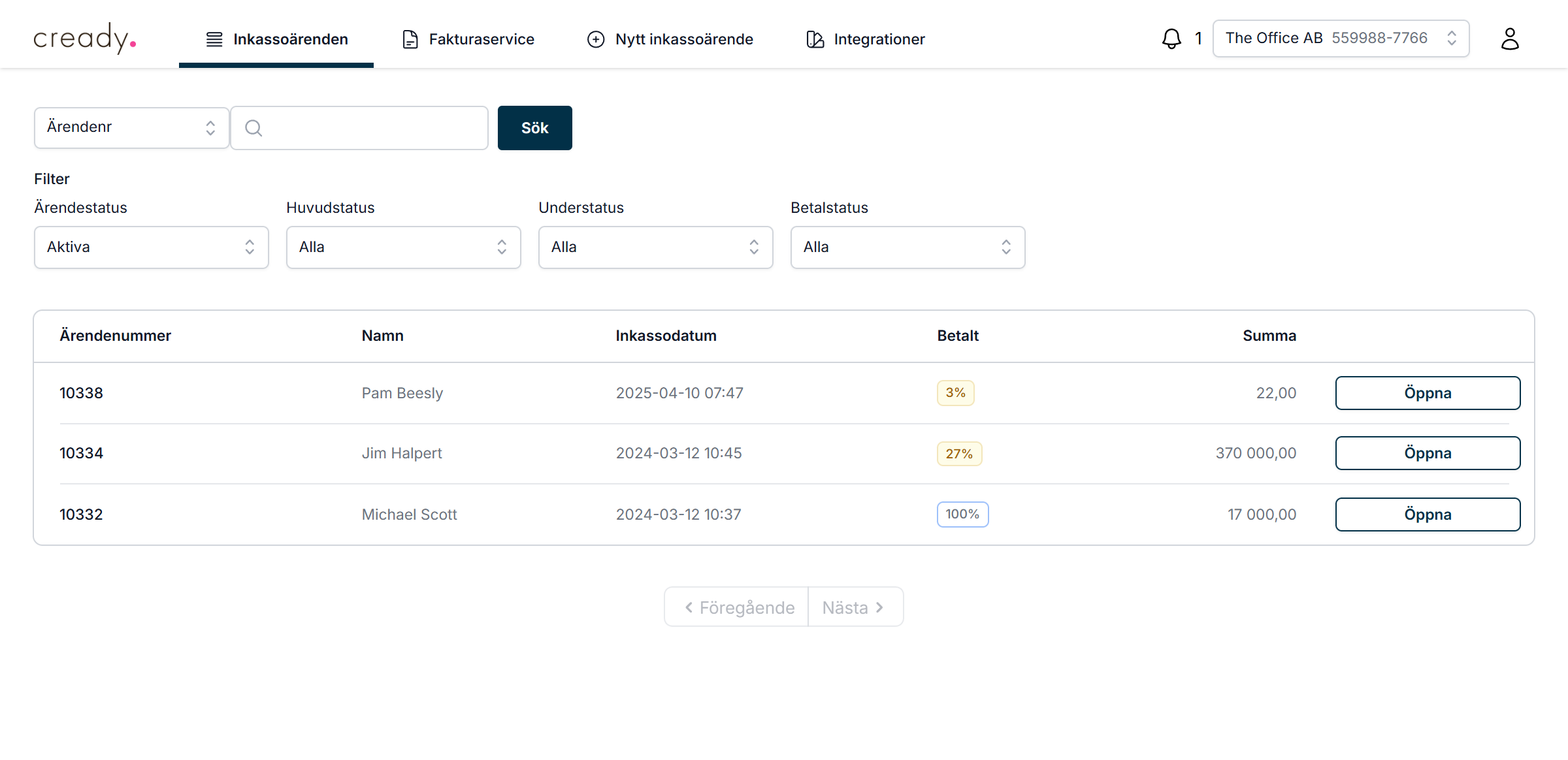
Access our powerful cloud portal where you can easily submit and track your cases.
Our system handles the administration automatically, so you spend neither time nor resources on it.
Every case is assessed manually by a handler. We automate routine processes and direct focus instead toward human contact.
We optimise the handling of every case and always take the actions that deliver the best result at the lowest possible cost. That reduces the total cost of the service and increases the recovery rate.
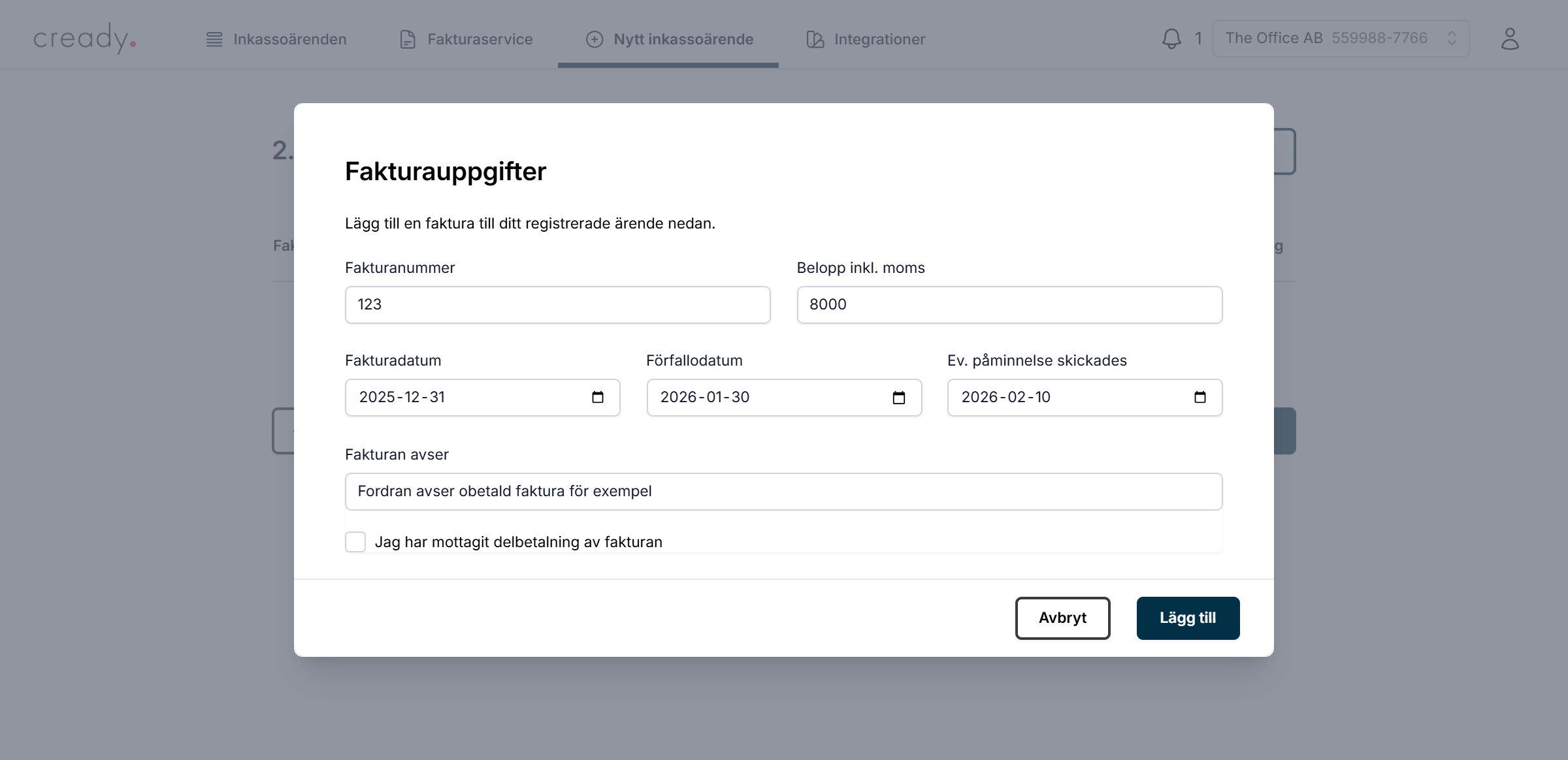
Simple registration and onboarding. Once you have access to the portal you can start submitting cases straight away.
No setup fees, no annual fees and no lock-in period. You pay per case handled according to our clear price list.
Whether you have B2B, B2C, high or low volumes, we tailor the process and workflow to suit your business.
A clear and transparent process with defined actions at every stage.
The case is registered via portal, file or integration. The incoming case is reviewed and a debt collection notice is then sent.
Payment is registered and the case is closed. Payment and accounting with settlement documentation is sent to you.
No payment is received and we are unable to reach the debtor.
The debtor submits a dispute and objects to the claim.
We assess the case, weighing up payment history, the size of the claim and other relevant factors, to provide the recommendation we believe will yield the best result.
When a debtor has disputed a case we carry out an initial preliminary assessment. We always notify you when legal costs arise.
We apply for a payment order with the Enforcement Agency to establish the claim. If the Agency issues a ruling, the case proceeds to enforcement. If the case is decided by the District Court via judgment, we apply for enforcement using the judgment as the basis.
In some cases it may be more advantageous to hold off and reassess at a later stage to avoid unnecessary costs.
Other possible actions include initiating bankruptcy proceedings by issuing a statutory demand (applies against companies).
Our legal team reviews the case with you. A summons application is then prepared and submitted to the District Court. We represent you and manage the entire legal process.
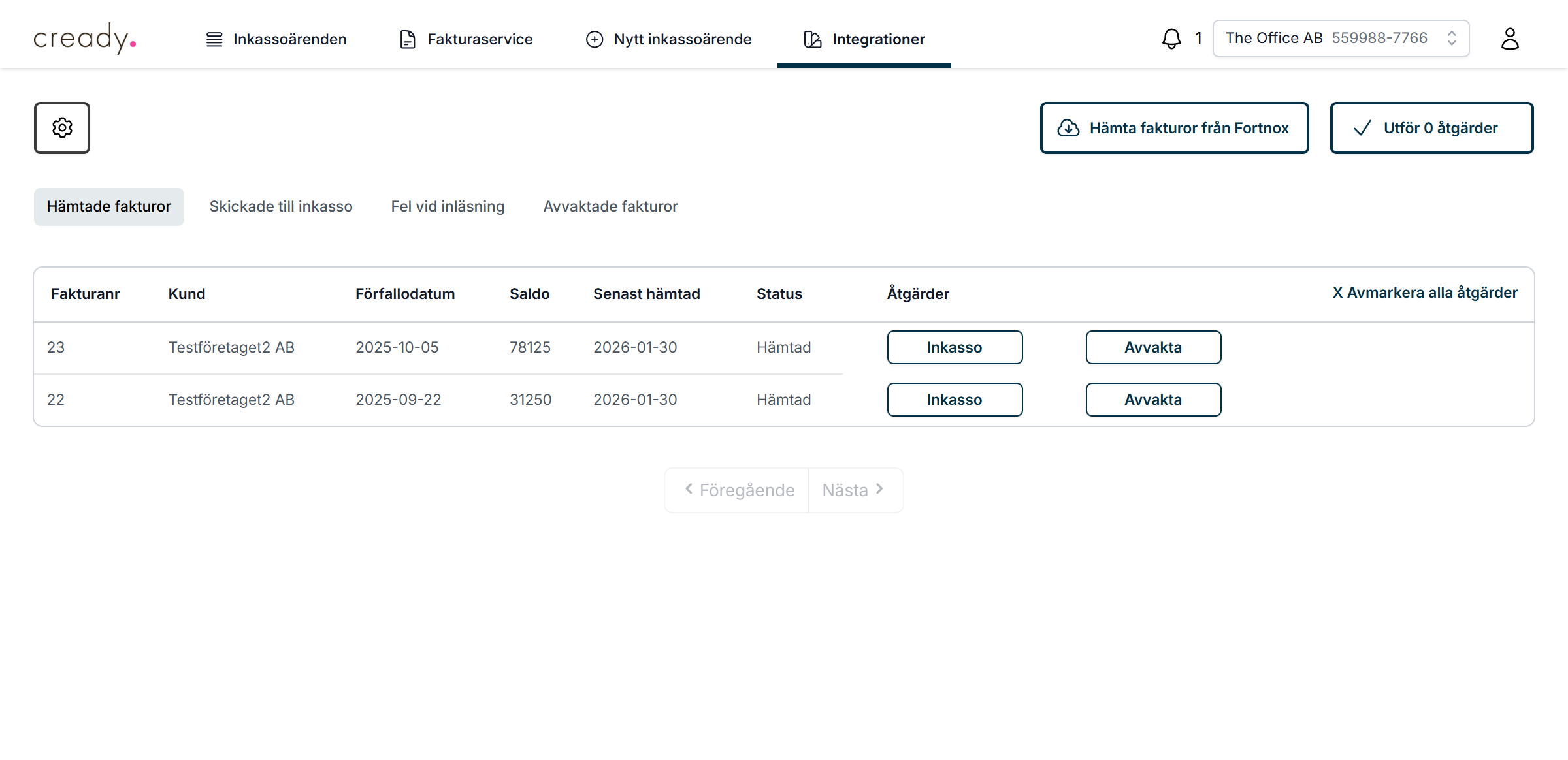
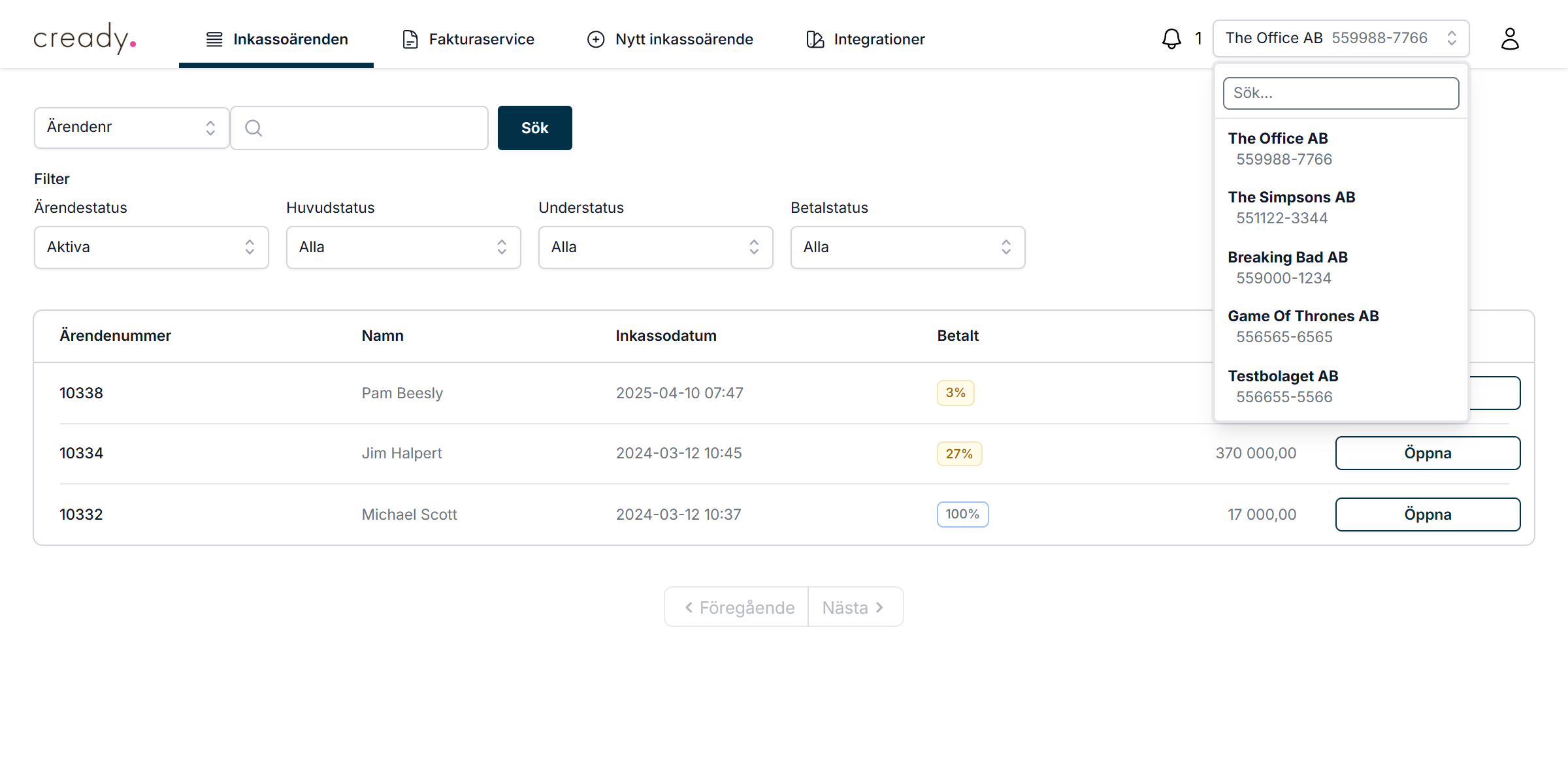
Click the tabs below to see how the portal works.
Questions we often receive from businesses interested in our services.
Our in-house system automates all administrative work. That means case handlers can focus entirely on recovering your money, and you get a more efficient and cost-effective process. When an unpaid collection notice remains outstanding, we do not automatically forward the case to the Enforcement Agency — we make a thorough assessment based on what we believe will deliver the best result.
We use an in-house AI tool that helps us determine which actions will produce the best results. Every case is always reviewed by a handler who takes into account payment capacity, communication history and selects the most appropriate action for each individual situation.
Via file, API/integration or directly in the portal. We will help you set up whichever workflow suits your business.
No setup fees, no annual fees and no lock-in period. Costs may apply per case handled according to our price list.
No. We want satisfied clients and therefore choose not to lock you into contracts or commitment periods.
Book a meeting with us or create an account directly — no lock-in.